A diet proven to slash blood pressure within weeks without eliminating a single food from your plate now dominates expert rankings, yet most Americans still don’t know what to put on their fork.
Story Snapshot
- The DASH diet, emphasizing potassium-rich vegetables, fruits, whole grains, and lean proteins, earned the #1 spot for heart health and hypertension management in 2025 U.S. News rankings
- Clinical trials demonstrate blood pressure drops of 5-10 mmHg within weeks, even without strict sodium restriction, with low-sodium versions doubling the impact
- Beyond blood pressure control, emerging research links DASH to reduced diabetes complications, including kidney protection and neuropathy prevention in women
- Unlike restrictive fad diets, DASH requires no special foods or banned ingredients, making it accessible and sustainable for the 1.3 billion people globally battling hypertension
The Science Behind the Numbers
The DASH eating plan emerged from NIH-funded trials in the late 1990s targeting a simple problem: Americans consumed too much sodium and too little potassium, calcium, and magnesium. Researchers designed a whole-foods approach loading plates with vegetables, fruits, whole grains, low-fat dairy, fish, poultry, beans, and nuts while cutting back on sodium, added sugars, and saturated fats. The results shocked even skeptics. Participants saw systolic blood pressure plummet by 5-10 mmHg in just weeks, rivaling the effect of some medications, without eliminating favorite foods or resorting to tasteless meals.
The low-sodium variant, which halves typical American sodium intake, doubled those gains. Subsequent protein and unsaturated fat modifications enhanced outcomes further. By 2025, a panel of 69 experts at U.S. News & World Report awarded DASH top honors in 14 categories, including best heart-healthy diet and best diet for high blood pressure. The National Heart, Lung, and Blood Institute, which funded the original research, continues promoting DASH as a cornerstone of cardiovascular disease prevention. What sets DASH apart from Mediterranean or other plant-forward diets is its laser focus on the specific nutrient imbalances driving hypertension, backed by decades of clinical data.
Why Potassium Matters More Than You Think
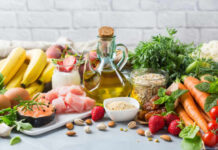
Most people fixate on cutting salt, but DASH’s genius lies in boosting potassium, calcium, and magnesium through whole foods. Potassium relaxes blood vessel walls, countering sodium’s constricting effects. Calcium supports vascular function, while magnesium regulates countless enzymatic processes tied to blood pressure. DASH prescribes four to five servings each of vegetables and fruits daily, alongside whole grains and low-fat dairy, delivering these minerals in synergy. A typical day includes a banana with oatmeal, a spinach salad at lunch, roasted sweet potato at dinner, and almonds for snacks. No exotic superfoods required, just grocery store staples rearranged with intention.
The Mayo Clinic’s guidelines emphasize portion control and gradual shifts rather than overnight overhauls. Swapping white bread for whole wheat, choosing brown rice over white, or adding a side of steamed broccoli builds momentum without triggering the deprivation that dooms most diets. The flexibility explains why DASH consistently ranks as one of the easiest diets to follow, a critical factor for long-term adherence. Americans spend billions chasing weight-loss gimmicks, yet the most effective cardiovascular intervention sits on produce aisle shelves, waiting for someone to notice.
Diabetes Protection Emerges as Bonus Benefit
Recent research published in 2024 revealed DASH’s reach extends beyond blood pressure into diabetes management. A review in Frontiers in Nutrition found that DASH meaningfully reduces type 2 diabetes complications by targeting vascular stiffness, inflammation, and kidney function. Dr. Thomas M. Holland, who authored the review, noted that high potassium and low sodium relax blood vessels and protect organs over time. Dr. William Hsu, a metabolic medicine specialist, emphasized that structured nutrition like DASH improves pathways driving diabetes, from lipid profiles to insulin sensitivity, even if hemoglobin A1c changes remain modest.
The implications stagger when you consider diabetes prevalence jumped from 529 million in 2021 to a projected 1.31 billion by 2050. DASH offers a dual-purpose tool, slashing cardiovascular and renal risks simultaneously. Women in particular showed reduced neuropathy markers on DASH, though researchers are still unraveling gender-specific mechanisms. The diet’s anti-inflammatory effects, achieved through fiber-rich whole grains and omega-3-laden fish, likely contribute. Overweight and obese individuals amplify benefits when pairing DASH with exercise, as NHLBI resources now integrate physical activity and weight management into updated guidance. Trials exploring combinations like time-restricted eating promise to sharpen DASH’s edge further.
Why This Matters to Your Wallet and Waistline
Hypertension drives heart attacks, strokes, and kidney failure, costing the U.S. healthcare system hundreds of billions annually. Preventing even a fraction of those events through dietary changes delivers enormous economic relief, not just to insurers but to families saddled with medical debt. DASH requires no pricey meal kits or supplements, making it equitable across income levels. A bag of dried beans costs pennies per serving; frozen vegetables rival fresh in nutrients at half the price. The processed food industry loses when consumers choose DASH, which explains why you rarely see DASH-branded products dominating supermarket endcaps. Whole foods lack profit margins that fund flashy marketing campaigns.
Socially, DASH promotes collective wellness without elitism. Church potlucks, family dinners, and workplace cafeterias can accommodate DASH principles with minimal fuss. The political angle matters too, as NIH-backed public health policies gain traction when built on evidence this robust. DASH empowers individuals to take control of their health without government mandates or pharmaceutical dependence. The broader food industry feels pressure as guidelines from institutions like the Mayo Clinic and NHLBI nudge Americans toward produce and away from sodium-saturated processed fare.
Sources:
NIH-Supported DASH Diet Named Best Heart-Healthy Diet and Best Diet for High Blood Pressure
DASH Diet for Hypertension May Also Prevent Diabetes Complications
DASH Diet: Healthy Eating to Lower Your Blood Pressure