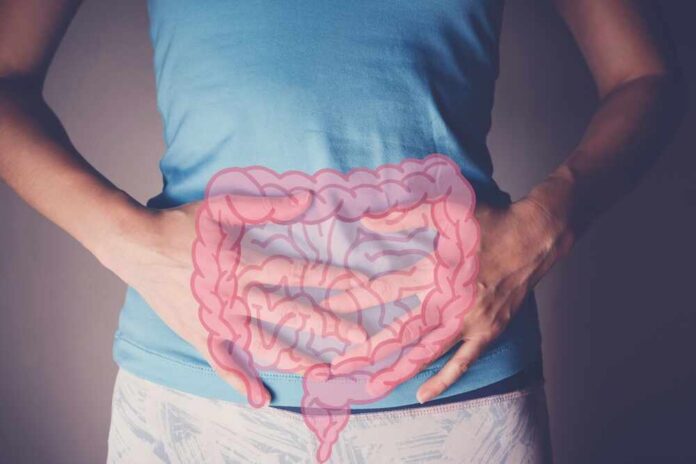
Turmeric transforms ordinary meals into potent weapons against gut inflammation, potentially rivaling drugs for IBD sufferers.
Story Snapshot
- Curcumin in turmeric suppresses key inflammatory markers like TNF-α and IL-6 while boosting gut microbiota diversity.
- Essential oils in whole turmeric enhance curcumin’s bioavailability up to 10-fold, per 2025 Baylor research.
- Ancient Ayurvedic spice now backed by modern trials for ulcerative colitis and Crohn’s symptom relief.
- Cooking with turmeric offers accessible, cost-effective alternative to supplements or pharmaceuticals.
- Experts caution on dosing but affirm safety and microbiota benefits for long-term gut health.
Turmeric’s Historical Roots in Gut Healing
Curcuma longa rhizomes yield turmeric, a staple in Ayurvedic and Chinese medicine for centuries targeting digestion and inflammation. Late 20th-century research identified curcumin as its primary polyphenolic compound. Early 2000s studies revealed curcumin blocks NF-κB pathways and cytokines such as IL-6 and TNF-α. These findings propelled 2010s human trials for inflammatory bowel disease. Rising IBD cases, tied to gut dysbiosis, spotlight turmeric’s role in enriching Lactobacillus and Bifidobacterium while promoting butyrate production.
Scientific Mechanisms Targeting Inflammation
Curcumin modulates gut microbiota, suppresses inflammatory markers, and strengthens intestinal barrier integrity. It balances Th17/Treg cells, enhances autophagy, and fosters short-chain fatty acid producers. Whole turmeric outperforms isolated curcumin due to synergies with α-turmerones and other oils. These compounds address curcumin’s notoriously poor absorption, a challenge verified across studies. Patients with ulcerative colitis and Crohn’s see reduced disease activity scores and endoscopic improvements through cytokine suppression and microbiota repair.
Breakthrough Findings from 2025 Baylor Study
Ajay Goel, Ph.D., at Baylor Scott & White Research Institute demonstrated turmeric oils boost curcumin bioavailability 10-fold. This combination suppresses CCL17 more effectively in ulcerative colitis models than curcumin alone. Higher doses yielded superior anti-inflammatory results. Theracurmin, a bioavailable form, proved effective for mild Crohn’s with minimal side effects. Ubie Health’s 2025 review confirms gut inflammation reduction but urges further dosage research. Microbiome personalization reveals variable responses among individuals.
Expert Consensus and Practical Dosage Guidance
Harvard Health links 2020s studies to anti-inflammatory benefits, calling for more human dosing data. Johns Hopkins recommends turmeric via food for inflammation management. UnityPoint Health suggests 500-1500mg daily for IBS and arthritis, aligning with self-care over hasty pharmaceuticals. PMC reviews praise microbiota modulation yet highlight bioavailability hurdles. Dr. Goel emphasizes whole-spice superiority, resonating with conservative values favoring natural, evidence-based adjuncts to conventional care. No major conflicts emerge; academics prioritize rigorous trials.
Short-Term Relief and Long-Term Prevention Potential
IBD patients report symptom relief, fewer side effects, and improved quality of life from turmeric integration. Culinary use lowers barriers compared to supplements, making it economically viable. Long-term, it prevents dysbiosis-linked issues like leaky gut by enhancing barrier function and butyrate levels. Nutrition research shifts toward microbiome-spice interactions as adjunct therapies. Risks include high-dose needs; experts advise moderation. This empowers chronic condition management through everyday cooking, a practical win for health autonomy.
Sources:
https://rsdjournal.org/rsd/article/view/48985
https://ubiehealth.com/doctors-note/turmeric-gut-inflammation-dosage
https://pmc.ncbi.nlm.nih.gov/articles/PMC8572027/
https://pmc.ncbi.nlm.nih.gov/articles/PMC11718586/
https://www.unitypoint.org/news-and-articles/using-turmeric-as-anti-inflammatory
https://www.health.harvard.edu/healthy-aging-and-longevity/turmeric-benefits-a-look-at-the-evidence
https://www.hopkinsmedicine.org/health/wellness-and-prevention/turmeric-benefits