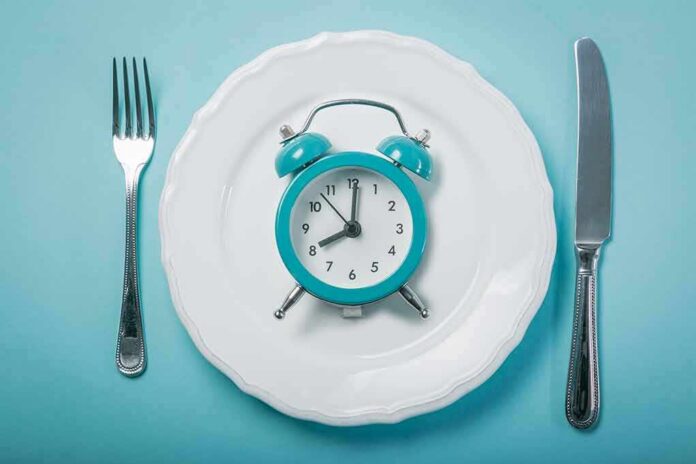
Eating one meal a day stretches your daily fast long enough to change how your body runs—sometimes for the better, sometimes not.
Story Snapshot
- OMAD is the extreme edge of time-restricted eating, not a new idea.
- Short-term benefits may include lower insulin and blood pressure for some people.
- Common early effects include hunger, fatigue, headaches, and sleep trouble that may ease in weeks.
- Nutrient gaps and medication risks are the main red flags, especially for older adults.
What OMAD Actually Does Inside a 24-Hour Cycle
One meal a day creates a long fasting window, often 20 to 23 hours. That gap lowers the number of times your blood sugar spikes. Your pancreas gets a break from pumping insulin. Many people feel sharper and less bloated during the fast. Others feel weak or cranky. These differences make sense. Bodies handle long gaps in food in different ways. The core idea is simple: fewer eating moments, fewer chances for insulin to surge, and often fewer total calories.
Most research groups long fasts under “intermittent fasting.” That umbrella includes 16-hour fasts, alternate-day fasting, and time-restricted eating windows. One meal a day sits at the most compressed end of that family. Evidence for time-restricted eating shows modest weight and fat loss and some better metabolic markers. Those benefits can happen from eating fewer calories, better food quality, or body-clock effects. They do not prove a single outcome for everyone on one meal a day.
The First 30 Days: What You Are Likely to Feel
The first week often brings strong hunger, low energy, headaches, and short tempers. Sleep may get worse before it gets better. Bowels may slow. Hydration, salt, and fiber help. Many of these issues tend to fade in two to four weeks as hormones and hunger cues adapt. Planning the one meal matters. A plate with protein, colorful plants, healthy fats, and enough salt steadies energy and mood far better than a sugar-heavy feast.
Short-term wins can show up fast. Some people see lower fasting insulin and blood pressure within weeks, even without big weight loss. That suggests more than just cutting calories; the long fast itself may help insulin sensitivity for some. But results vary by age, sex, body fat, activity, and baseline health. People who move daily and lift some weights tend to keep more lean mass when compressing meals.
Where OMAD Helps—and Where It Can Backfire
One meal a day can simplify life. Fewer choices mean fewer slips. Many adults report easier weight control and fewer cravings with long fasts. That can lower overall calorie intake and improve blood sugar swings. Still, the same tight window can limit key nutrients. Packing enough protein, fiber, potassium, calcium, iron, and B vitamins into one plate is tough. Over weeks, that gap can show up as fatigue, hair shedding, leg cramps, or poor recovery from workouts.
Medication timing raises bigger stakes. People with diabetes on insulin or sulfonylureas risk low blood sugar during a long fast. People on blood pressure pills or diuretics can get dizzy or have electrolyte problems. Older adults face higher risks from dehydration and nutrient shortfalls. Medical teams often ask these patients to avoid one-meal plans or to adjust drugs and labs if they try any fasting pattern at all.
The Conservative Math: Keep What Works, Fix What Fails
Common sense says test, measure, and do not break what is working. If you try one meal a day, set a 30-day plan with guardrails. Keep protein high. Aim for a fist-sized portion of lean meat, eggs, or tofu, plus beans or Greek yogurt if you tolerate them. Add two cups of non-starchy vegetables, a piece of fruit if desired, and olive oil or nuts for healthy fat. Drink water and add electrolytes if you feel lightheaded. Walk daily and lift twice a week.
Track weight, waist, sleep, energy, mood, and blood pressure. If you use a glucose meter, log fasting and post-meal numbers. If energy crashes, sleep unravels, or workouts suffer after two weeks, widen the eating window to two meals. The goal is metabolic control without malnutrition or misery. Research supports intermittent fasting as a plausible tool with real but variable benefits. The single-meal version is the sharpest tool in that box; use it with care and a plan.
Sources:
youtube.com, massgeneralbrigham.org, mayoclinic.org, mayoclinichealthsystem.org, mcpress.mayoclinic.org, health.harvard.edu, nutritionsource.hsph.harvard.edu