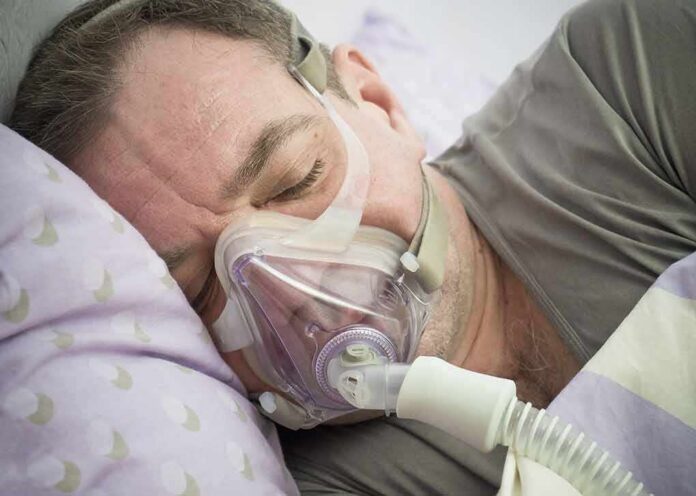
Millions of Americans strap on a CPAP mask every night to stop snoring and gasping, but new research suggests the machine may also be quietly lifting their mood.
Quick Take
- A randomized study found CPAP users had significantly lower depression scores after four months than those on a waitlist.
- A large trial called SAVE linked CPAP use to lower odds of clinically significant depression.
- Multiple meta-analyses of thousands of patients confirm a real, if modest, mood benefit from CPAP treatment.
- The benefit appears strongest in patients who started treatment already struggling with depressive symptoms.
What The New Study Actually Found
Researchers publishing in the journal Depression and Anxiety ran a randomized wait-list controlled study on patients with obstructive sleep apnea. Some got CPAP machines right away. Others waited. After four months, the CPAP group showed significantly lower depressive symptoms and less daytime sleepiness than the waitlist group. The study also found fewer patients in the CPAP group still met the criteria for clinical depression by the end of the trial.
That design matters. Randomizing who gets treatment first, rather than just comparing people who chose CPAP against those who didn’t, helps rule out the idea that healthier, less-depressed people are simply more likely to stick with therapy. It’s a stronger test of cause and effect than most sleep studies manage.
Sleep Apnea And Depression Have Long Traveled Together
Doctors have known for years that obstructive sleep apnea and depression show up in the same patients far too often to be coincidence. One study found nearly three-quarters of sleep apnea patients reported depressive symptoms before treatment began. Severe apnea cases carry an even higher risk of depression than mild ones, according to longitudinal research tracking patients over time.
A separate large-scale trial known as SAVE looked at heart-disease patients with sleep apnea and tracked their mental health alongside CPAP use. Researchers found CPAP treatment was tied to a 20 percent reduction in the odds of qualifying for depression, with the strongest effect showing up in people who already had depressive symptoms going in. That reduction held steady from the six-month mark all the way out to four years.
The Broader Evidence Base Backs The Pattern
This isn’t a one-study fluke. A meta-analysis covering 17 separate CPAP studies and nearly 2,000 patients found consistent improvement in depressed mood among sleep apnea patients using the machines compared with control groups. Another review of 20 randomized trials involving more than 4,000 participants confirmed the same direction of effect, even after accounting for study differences.
Researchers do note the size of the benefit varies depending on how a study is designed. When CPAP gets compared only against a sham device that mimics the mask without delivering real pressure, the depression benefit shrinks and sometimes disappears in smaller trials. That’s a normal wrinkle in medical research, not a reason to doubt the core finding, since the larger and more rigorous studies still show a clear signal.
Why This Matters For Treatment Decisions
Sleep apnea already carries known risks for heart disease, obesity, and daytime accidents. Adding a documented mental health upside gives doctors, and patients, one more solid reason to stick with treatment even when the mask feels uncomfortable at first. Patients who keep experiencing symptoms after starting CPAP tend to report more lingering depression, suggesting consistent, correct use of the device is what drives the benefit.
For the roughly 30 million Americans estimated to have sleep apnea, many undiagnosed, this research adds real weight to a simple message. Getting tested and treated isn’t just about snoring less or feeling rested. It may genuinely help lift the fog of depression that so often rides along with poor sleep, giving patients a second, powerful reason to give the machine a real chance.
None of this replaces standard depression treatment for patients who need it, and researchers still caution that CPAP works best as one piece of a broader care plan rather than a stand-alone cure. But for a device already prescribed to millions, evidence of a mood benefit is a welcome bonus most patients never expected.
Sources:
pmc.ncbi.nlm.nih.gov, aasm.org, pubmed.ncbi.nlm.nih.gov, academic.oup.com